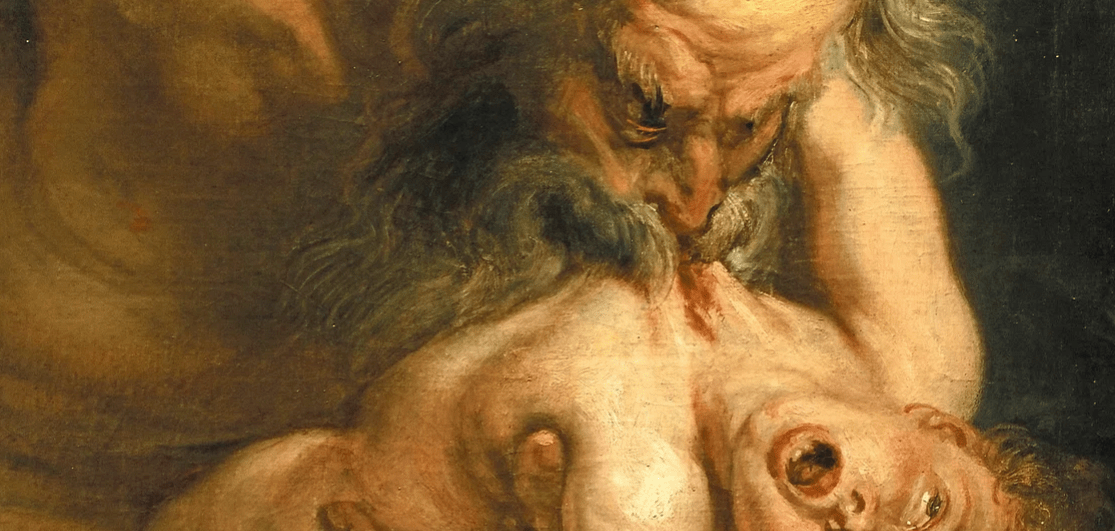
Jackson Pollock was an aggressive, violent drunk. He cheated on his wife, he was a drunk driver. While speeding wildly through the East Hamptons, he accidentally killed himself and Edith Metzger.
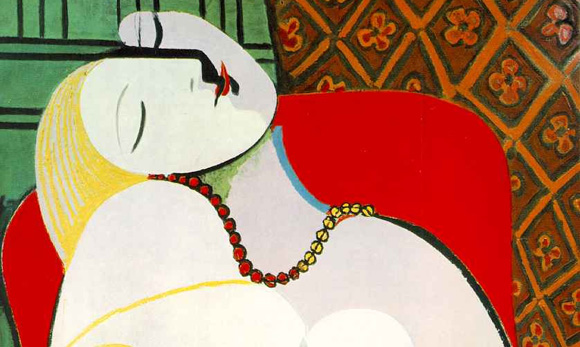
Pablo Picasso was physically and emotionally abusive to women, forcing abortions and abandoning children. ‘Women are machines made for suffering’, he said to one of his mistresses.
Caravaggio was a criminal and murderer. Turner was a nasty, devious attention-seeker. Adam Cullen shot a journalist and threw him off a motorbike.
Does bad behaviour cancel good art?
If serial killers like Jeffrey Dahmer were also acclaimed artists, would we celebrate their art? Can we separate an artist’s actions from their art?
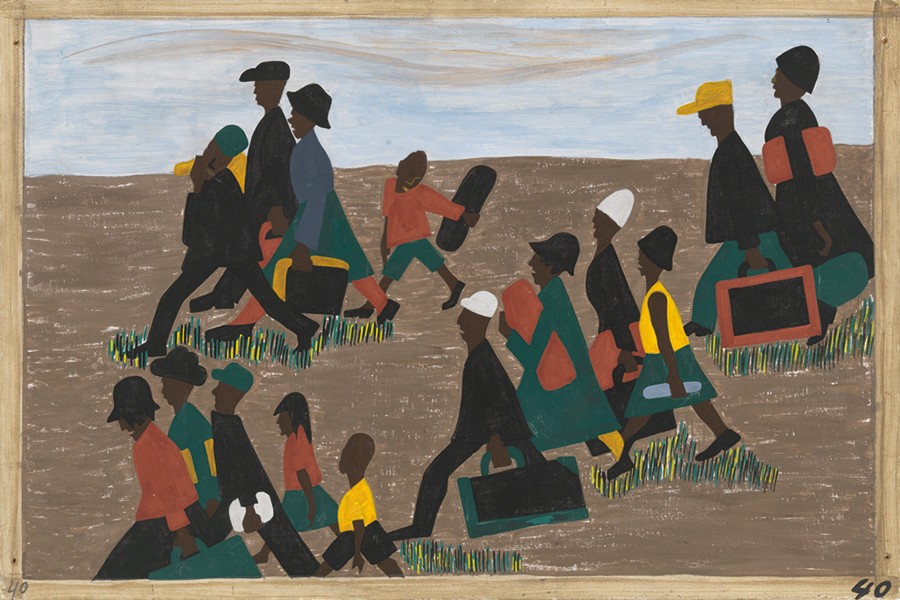
Art is a reflection of life.
Driven by experiences, emotions, and struggles, art is a reflection of our lives. While art galleries don’t support or condone an artist’s dubious personal life when they exhibit their work, the work an artist creates helps us make sense of the world. It helps us work through our own emotions and face our own personal demons.
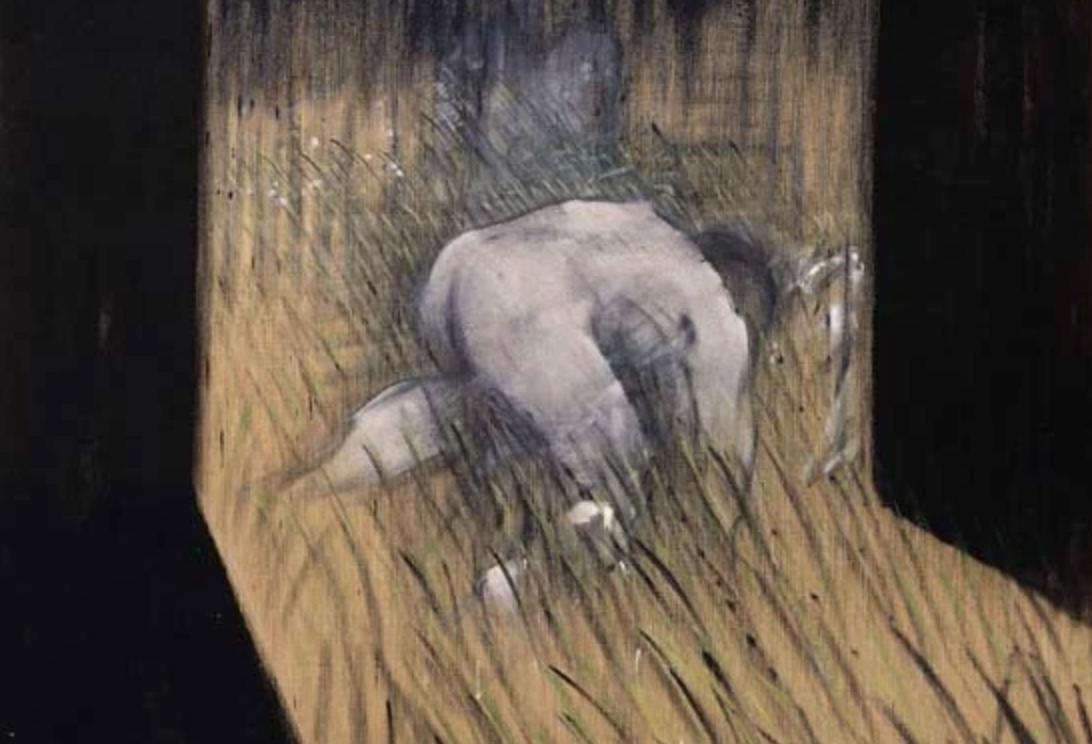
Art forces us to have difficult conversations.
The art of controversial artists makes us confront uncomfortable truths and question societal norms. Art often captures a moment in time, things we find confronting today, were once an acceptable part of everyday life.
If we removed artworks from museums because of an artist’s behaviour, we’d lose a catalyst for conversations on ethics, morality and the intersection of art and life.
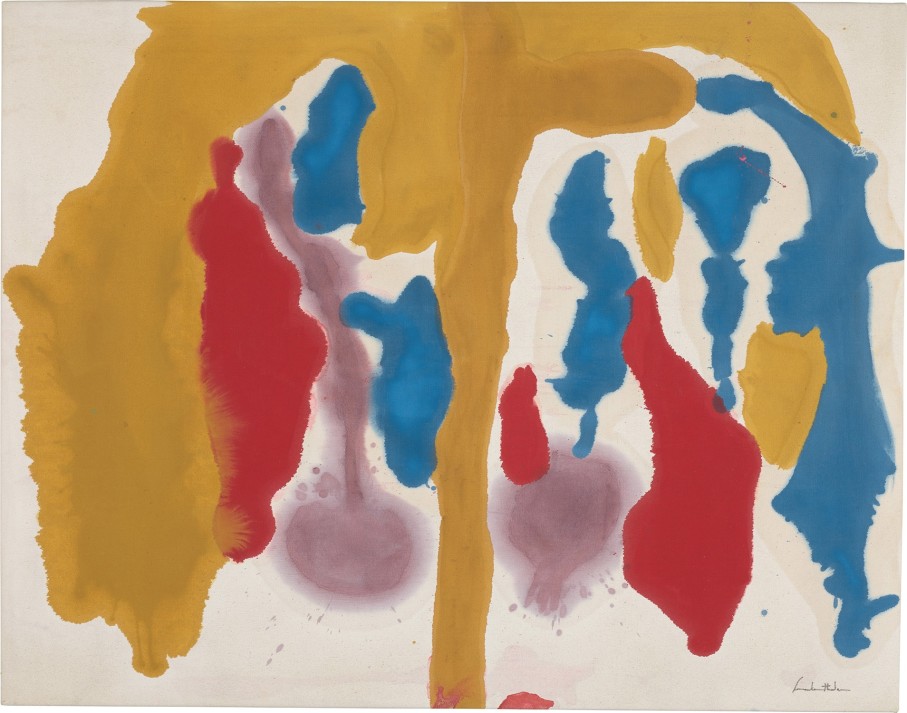
Art inspires future artists.
Picasso, Pollock, and Caravaggio radically reinvented how we create art and what we consider to be art. Removing their art from art museums denies us an incredible source of inspiration. How many times have we pushed our faces close to an artwork to see how the paint is layered, how canvases are scraped back and seen how unusual compositions force us to rethink how we interpret the world?
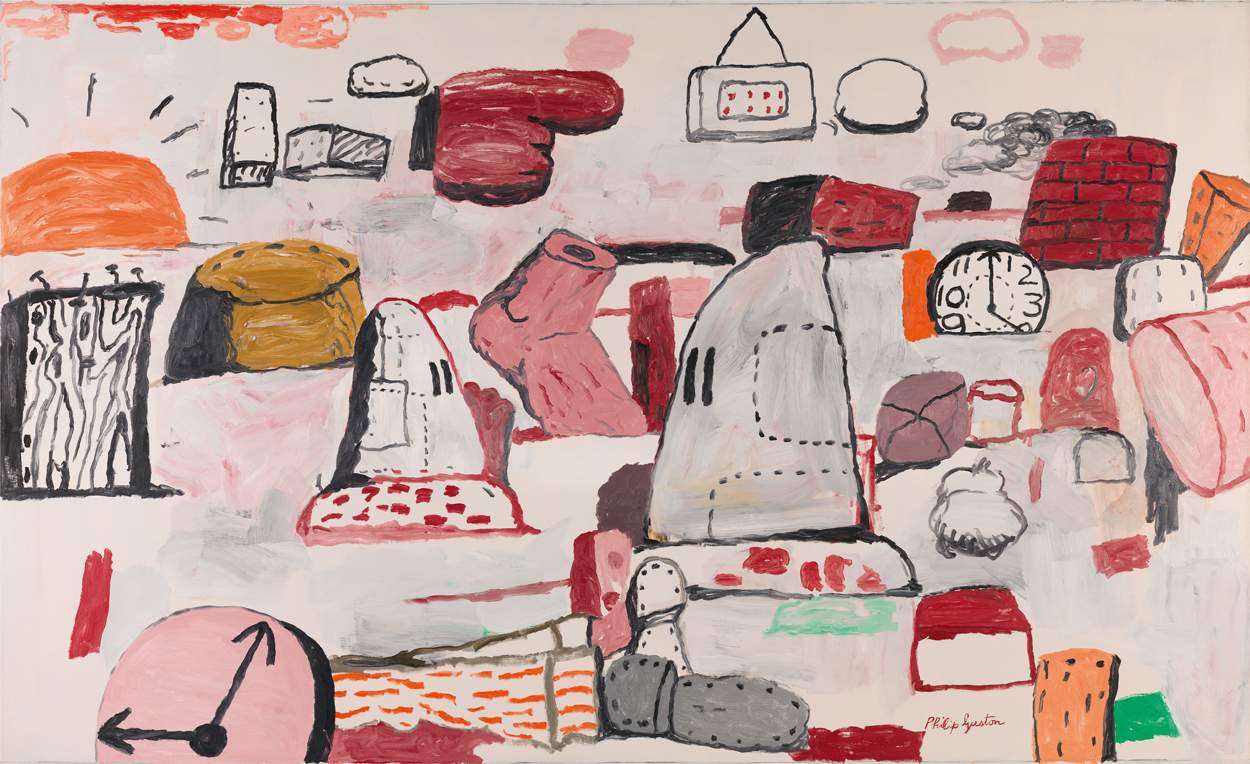
Love the art, not the artist.
When an art museum or gallery exhibits an artist’s work, it’s not an endorsement of an artists personal life – they’re not condoning misogyny, brutality, drug use or murder.
They’re giving us a chance to look at ourselves, confront difficult and conflicting emotions, have a conversation about our place in society and how we fit within it. If we removed art from art museums by artists who lived unsavoury lives, we would be consigning ourselves to a life of banality, mediocrity and censorship, where the quality of art is determined only by the morality of the creator, not by the quality of the art itself.
 Ray Monde