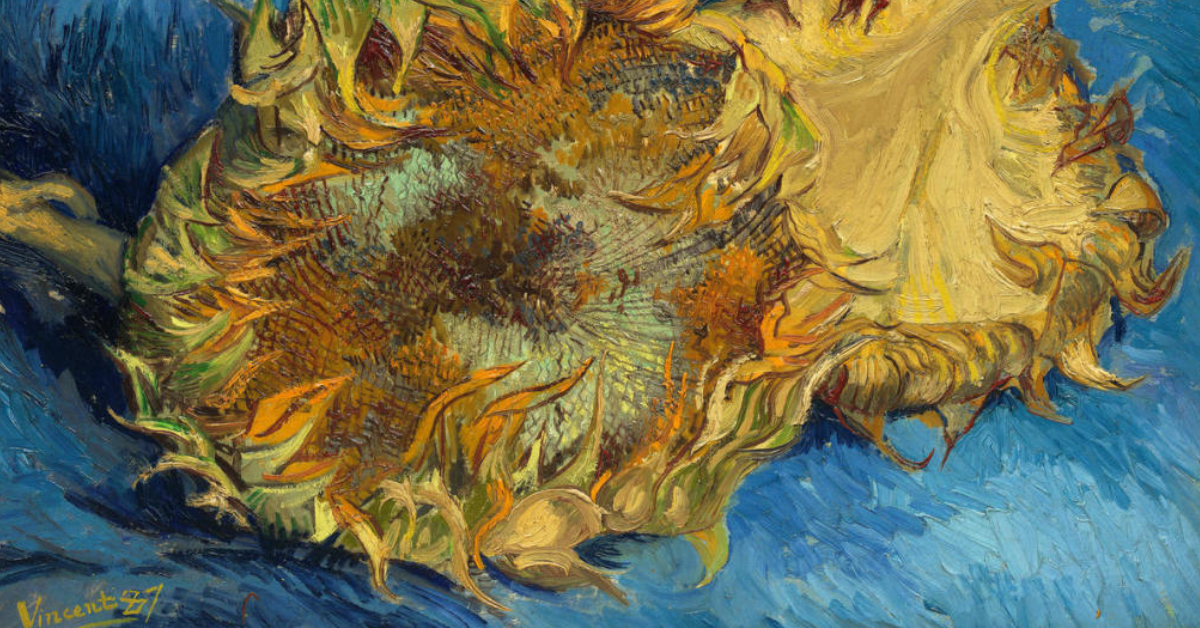
Unveiling the reasons humans adore flowers
Flowers captivate our hearts and mark moments throughout our lives. Flowers at birth, flowers at weddings, flowers at death and a myriad of wild-picked arrangements that grace our tables.
Why do we have an innate fondness for flowers?
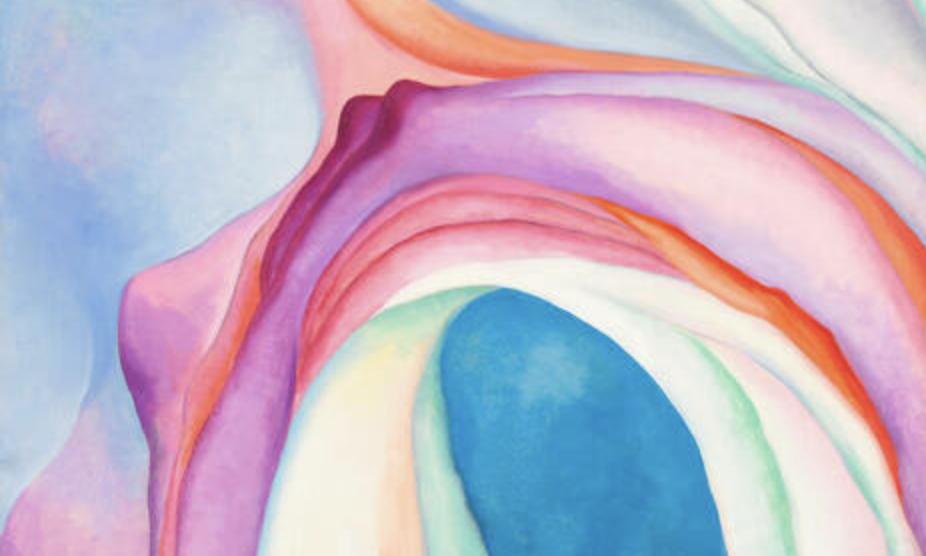
Flowers help us eat, heal and have sex
The innate attraction humans have towards flowers germinated in our evolutionary history. Our ancestors relied heavily on their sensory perceptions to navigate the natural world. In the ancient environment, vibrant flowers served as important visual cues, signalling the presence of food sources, medicinal plants, and potential mates. As a result, individuals with a heightened sensitivity to floral stimuli were more likely to survive and reproduce, passing on their genetic predisposition for flower appreciation to future generations.
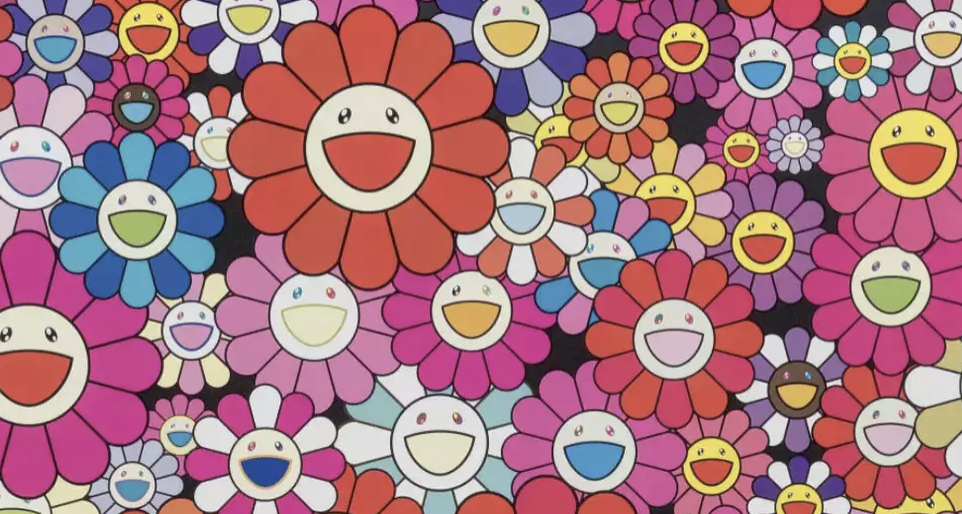
Flowers make us happy
Flowers have a profound impact on our psychological well-being. Numerous studies have shown that exposure to flowers give us positive emotions, reduce our stress levels and improve our overall mood.
The sight and scent of flowers trigger the release of endorphins, commonly known as “feel-good” hormones, which contribute to feelings of happiness and contentment.
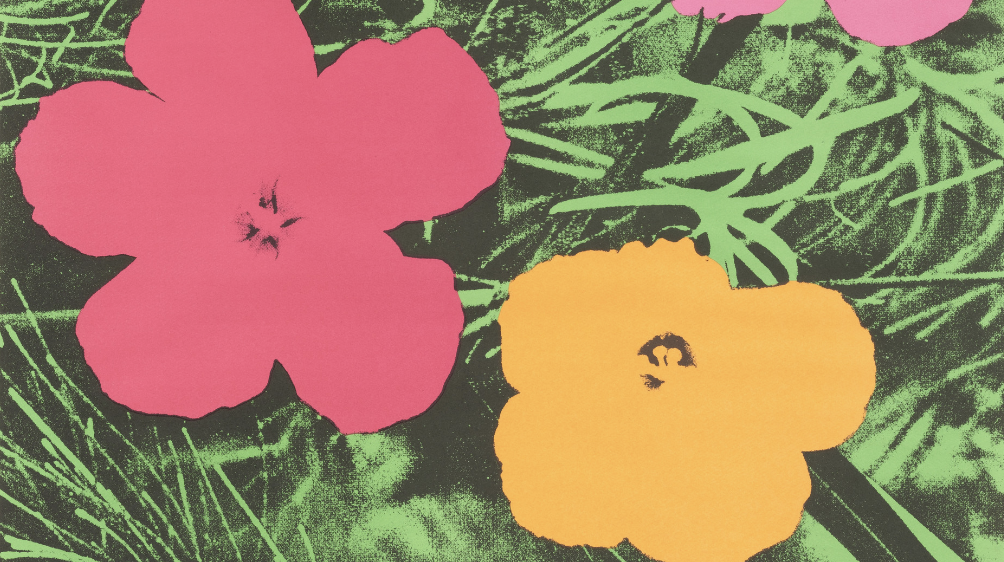
Flowers inspire us
The intricate patterns, vibrant colors and delicate shapes of flowers are inspiration for art, design, and architecture. Not only do we surround ourselves with fresh flowers but we cover our walls with floral paper, hang still life paintings of flowers and create enormous abstracted works inspired by flowers.
We’ve built entire buildings in homage to flowers including the Lotus Temple in Delhi, Quizhong Tennis Centre shaped like a magnolia and the spider-lily inspired Burj Khalifa in Dubai.
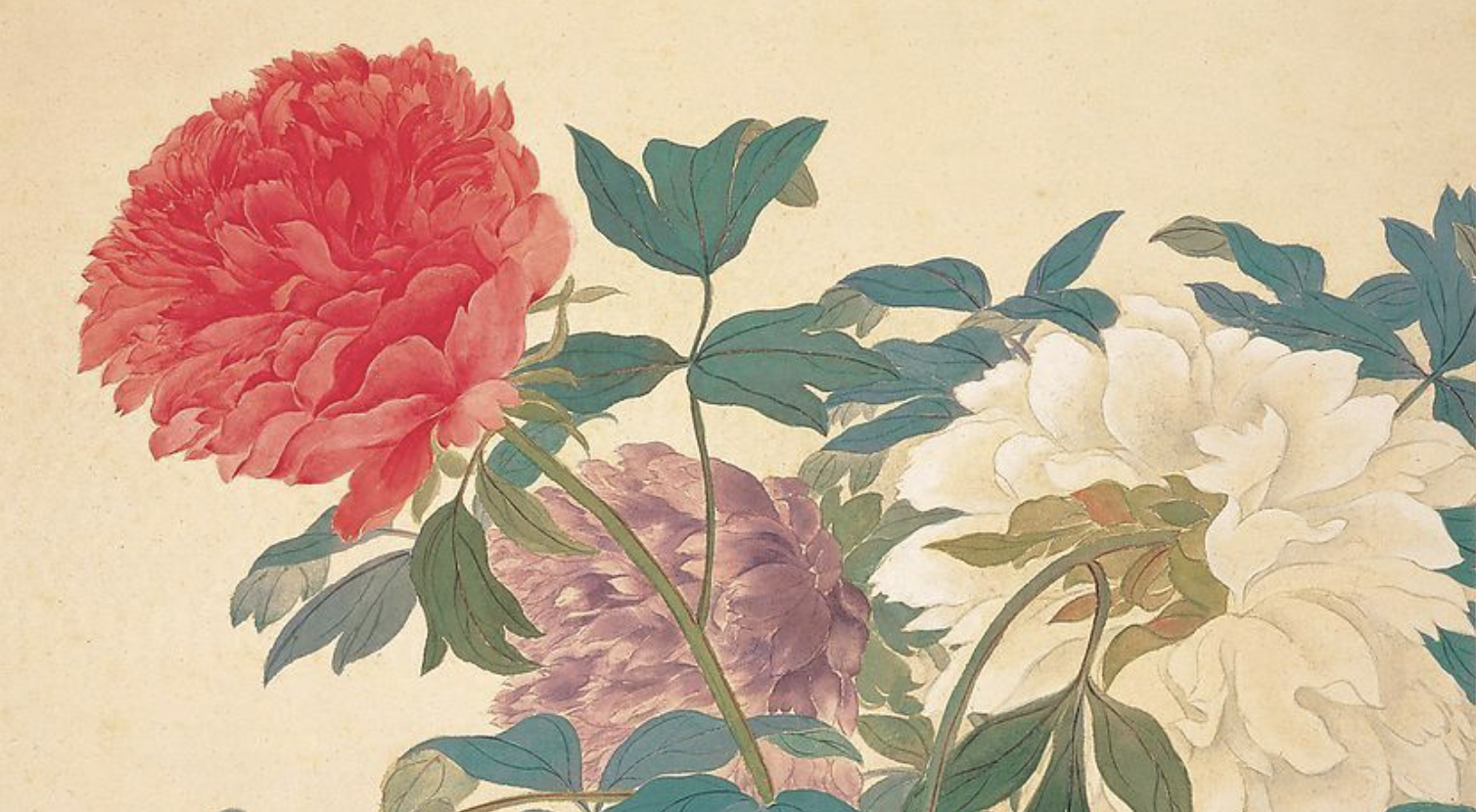
Flowers are powerful symbols of love, desire and death
Chrysanthemums symbolize happiness and vitality in China while the peony is a symbol of wealth and prosperity.
The violet has been a secret sapphic symbol of lesbian love. For gay men, lavender and green carnations were a way to find like-minded people.
In Victorian England, tansies were a clear threat – carrying the meaning ‘I declare war on you!’.
Cultures all over the world attribute symbolic meaning and significance to flowers. They’re closely entwined with our lives associated with emotions, events and rituals.
The exchange of flowers on special occasions, such as weddings, funerals, and festivals is a universal practice. In 1951, researchers discovered burial sites in Northern Iraq that used flowers believed to date back to 62,000 BC.
This cultural symbolism of flowers reflects our deep-rooted need for connection. By bestowing flowers upon one another, we create social bonds and convey our feelings, strengthening social cohesion within communities.
Why do we love flowers? First, it was a way to find food and survive. It helped us grow and evolve. This deep connection embedded the flower in our daily rituals becoming intertwined with our health and happiness.
For more nature inspired art, visit raymonde.com.au
 Ray Monde