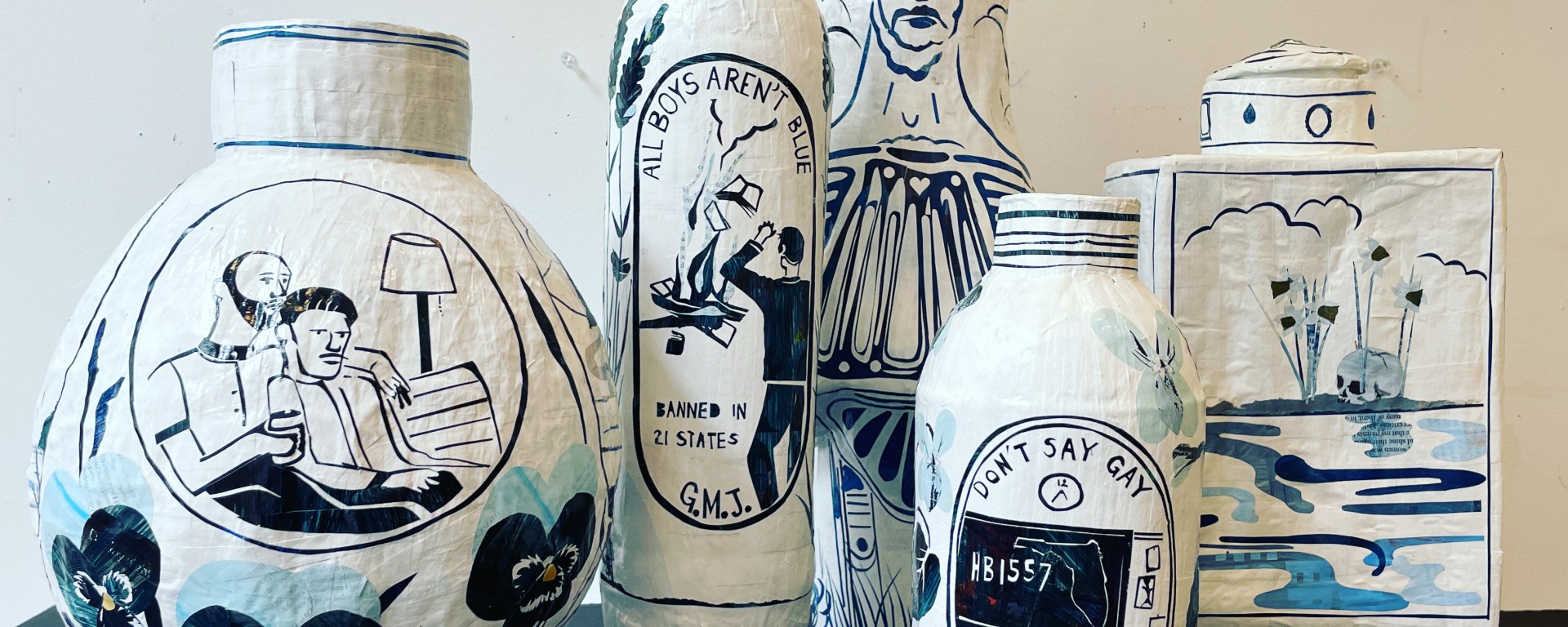
HB1557, commonly known as the ‘Don’t Say Gay‘ bill, prevents teachers from talking about sexual orientation and gender for all public school students in Florida.
If teachers do talk about it, they face prosecution.
Why HB1557 Don’t Say Gay is dangerous
Here’s some scenarios on why HB1557 has crossed a red line:
- A teacher asks their kids to write a story about what they did on the weekend. If a child with same sex parents writes about a family trip to the zoo, the teacher could be prosecuted
- A child asks a teacher if they’re married, a teacher will have to lie if they are married to someone of the same sex or face prosecution
- A child who is queer falls in love. They won’t be able to discuss this in class or their teacher could face prosecution.
This law will exacerbate already high youth suicide rates among LGBTQI+ youth. 45% of LGBTQ youth seriously considered attempting suicide in the past year. When you consider LGBTQ youth who felt high social support from their family reported attempting suicide at less than half the rate of those who felt low or moderate social support. This is why this law is dangerous.
Once legislation like HB1557 is law, it becomes acceptable to marginalize and hurt people in same-sex relationships and further erode hard-won civil liberties.
Why banning books is dangerous
Over 874 books have been banned in schools across the United States this year, according to PEN America.
More than a quarter (26%) of the book bans present LGBTQ+ characters or themes, including 68 books that include transgender characters, which is 8% of all books banned. Book bans continue to target books featuring LGBTQ+ themes or LGBTQ+ characters, characters of color, and books on race and racism.
We all look for places where we belong – that’s why we seek out people who like things we like. Banning books means it’s increasingly difficult to find solace and comfort when you feel like no-one around you is like you.
“Book bans violate the First Amendment because they deprive children or students of the right to receive information and ideas,” David L. Hudson Jr., a professor at Belmont University College of Law and a First Amendment law expert.
Why banning drag is dangerous
A bill passed in Tennessee restricts “adult cabaret performances” in public or in the presence of children, and bans them from occurring within 1,000 feet of schools, public parks, or places of worship.
It also includes male and female impersonators. This means movies like Mrs Doubtfire, Big Momma’s House and Tootsie could be banned from public screenings.
Remember Dame Edna Everage? Also banned in public in Tennessee.
There’s been at least 124 instances of drag events being protested, threatened or attacked this year in 47 states.
Why is this so dangerous? It’s crushing creative freedom. The law implies there are strict protocols for creative expression in public and signals to the community that there’s something wrong and shameful in drag.
Why does it frighten me?
The persecution of people around the world starts with the restriction of personal freedoms. Once some freedoms are removed, it’s easier to incrementally tighten them. It makes me wonder what lies ahead for me and my husband – and any of us who are a little different – in an increasingly hostile world.
Inspired by the poem, First They Came, by Pastor Martin Niemöller, I wrote this:
As the drag artists are pushed back behind
Curtains that will never open
As trans are asked to drop their pants
And lift their skirts
Before they enter stalls
I think
of the people who had their ID checked
Before they were let home
Or shunted away
And I wonder now
If they came for my neighbor
Would I bangs pots on the street
Creating clamor
Or quietly pull the curtains
And wait until they find
My now illegal certificate
That binds me to another man
Behind Closed Doors, Ray Monde
Exhibition of Gay Pots
In response to this, I’ve created a collection of subversive vessels, Gay Pots, that capture my rage at these increasingly restrictive laws. They’ll be on display in the Queer as Hill exhibition at The Cloud Gallery in Capital Hill, opening night is on Thursday 8 June, 6pm. 901 E Pike Street, Capital Hill.
 Ray Monde
2 thoughts on “Don’t Say Gay has crossed a red line”